



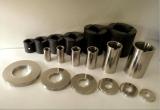
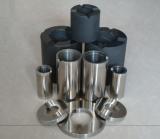
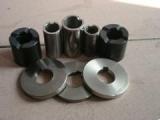
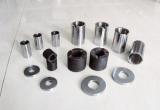
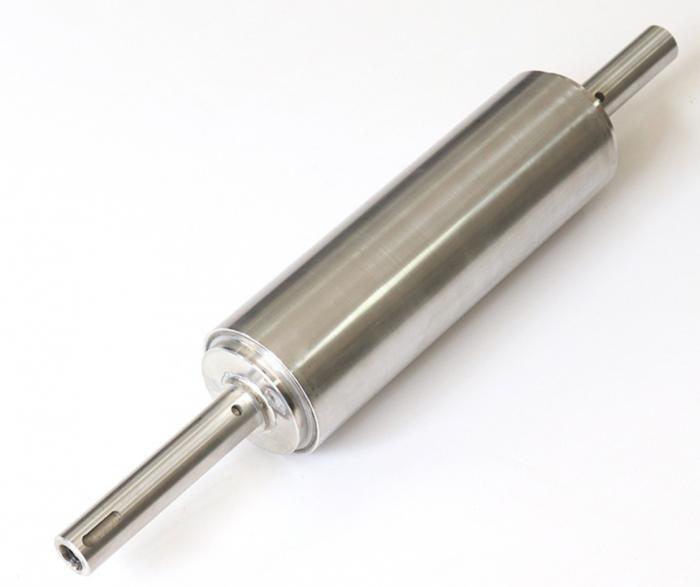
canned motor pump rotor can SS316


| Name: | canned motor pump rotor can SS316 |
Product Description

Advantages of Rotor Can for Canned‑motor Pumps
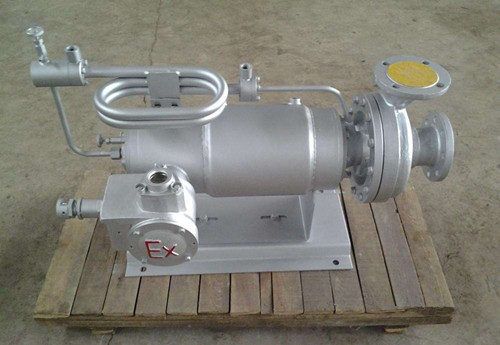
A rotor can is the critical component of a canned‑motor pump. It fully encloses the rotor so that the rotor has no direct contact with the pumped medium. With no shaft seal between the motor and pump chamber, canned‑motor pumps differ fundamentally from conventional centrifugal pumps with mechanical seals. Their main advantages are summarized below, along with limitations for reference.
1. Zero‑leakage performance – Primary advantage
1. Elimination of dynamic shaft‑seal leakage
Conventional centrifugal pumps rely on mechanical seals. Friction between rotating and stationary seal rings frequently causes leakage. The rotor can hermetically encapsulates the rotor. Only static seals exist between the pump chamber and the motor, with no rotating dynamic sealing points. Hazardous, toxic, corrosive or high‑value media are prevented from escaping.
2. Suitable for hazardous‑media services: organic solvents, liquid ammonia, refrigerants, dilute acids, chemicals and high‑purity fluids. Zero emission meets explosion‑protection and environmental‑protection requirements.
2. Structural & operational benefits
1. No shaft seal and no seal‑flush system
No seal‑flush water, seal oil or flushing piping is required. Auxiliary systems are simplified and footprint is reduced.
2. Smooth operation, low vibration and low noise
Integrated pump‑motor construction without couplings. Noise from external bearings and coupling transmission is eliminated, making the pump suitable for laboratories, clean workshops, buildings and chemical plants.
3. Flexible installation: dry‑mounted or submerged types available
Canned‑motor pumps with rotor cans can be installed above‑ground; selected models may operate submerged in process fluid.
3. Self‑circulation for bearing cooling (unique to the can structure)
Process fluid flows through the annular gap between the can and stator for circulation, cooling the rotor and lubricating the sliding bearings. Standard models require no separate external cooling circuit for a compact layout.
Working principle: Part of the discharge flow recirculates into the motor housing, passes along the outer surface of the rotor can to remove rotor heat, and then returns to the impeller suction port for self‑cooling and self‑lubrication.
4. Flexible material selection for corrosion resistance
Common can materials: SS304, SS316L, Hastelloy, titanium. Material grades can be selected according to process media. Since the rotor core is isolated by the can and never contacts the medium, the core itself is protected against corrosion.
Benefit: For corrosive service, only the can material needs upgrading rather than the whole rotor core, which keeps spare‑part costs manageable.
5. Enhanced safety & explosion‑proof performance
Without a shaft seal, there is no risk of media spraying due to seal failure. The fully‑enclosed motor prevents process fluid from reaching stator windings, lowering fire hazards for explosion‑risk environments.
Disadvantages of the rotor can (important for equipment selection)
1. Eddy‑current losses occur in the air‑gap between can and stator. Motor efficiency is lower compared with standard motors, resulting in relatively high energy consumption for high‑power applications.
2. The can is a thin‑wall component. Hard solid particles carried in the medium easily cause can wear. Can rupture allows medium ingress into the rotor and motor, leading to equipment failure. Canned pumps are not recommended for media with abundant hard particles.
3. Maintenance complexity is higher than for ordinary centrifugal pumps. Can replacement requires high‑precision workmanship and generally needs factory service or professional on‑site repair.
4. Higher capital cost than conventional centrifugal pumps.




 Send Email
